- Product Overview
- Industry sectors
- Accredited service
- Support & Downloads
- Company
Select your language
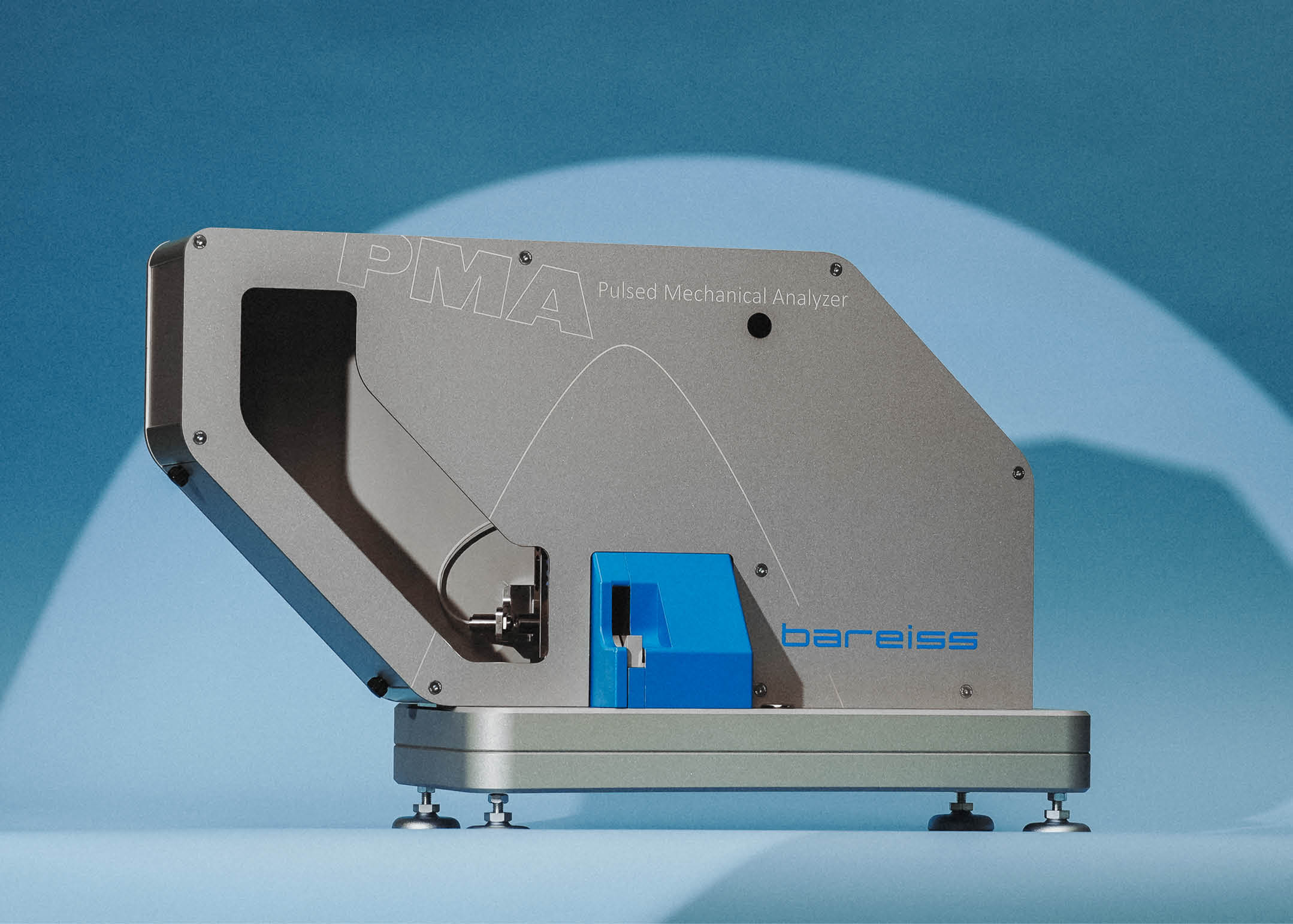
The Pulsed Mechanical Analyzer (PMA) enables precise characterization of dynamic material behavior under realistic, pulsed loading conditions. This method can be used to determine the complex modulus of elasticity and the loss factor tan δ in the millisecond range at higher deformations – i.e., at frequencies from 100 Hz to 1 kHz. On request, the analysis can also be performed as a function of temperature.
The determination of the glass temperature under pulsed stress is particularly valuable in practice. This provides a realistic picture of the low-temperature behavior of rubber components, as actually occurs in many dynamic applications.
The result is reliable, practical material data for the design of dynamically stressed elastomer components.
Furthermore, measurement with the PMA is so simple, fast, and reproducible that it is ideal for use in quality control. This enables a reliable and efficient evaluation of material behavior in the production environment.
The future has a pulse. A New Era of Material Characterization.
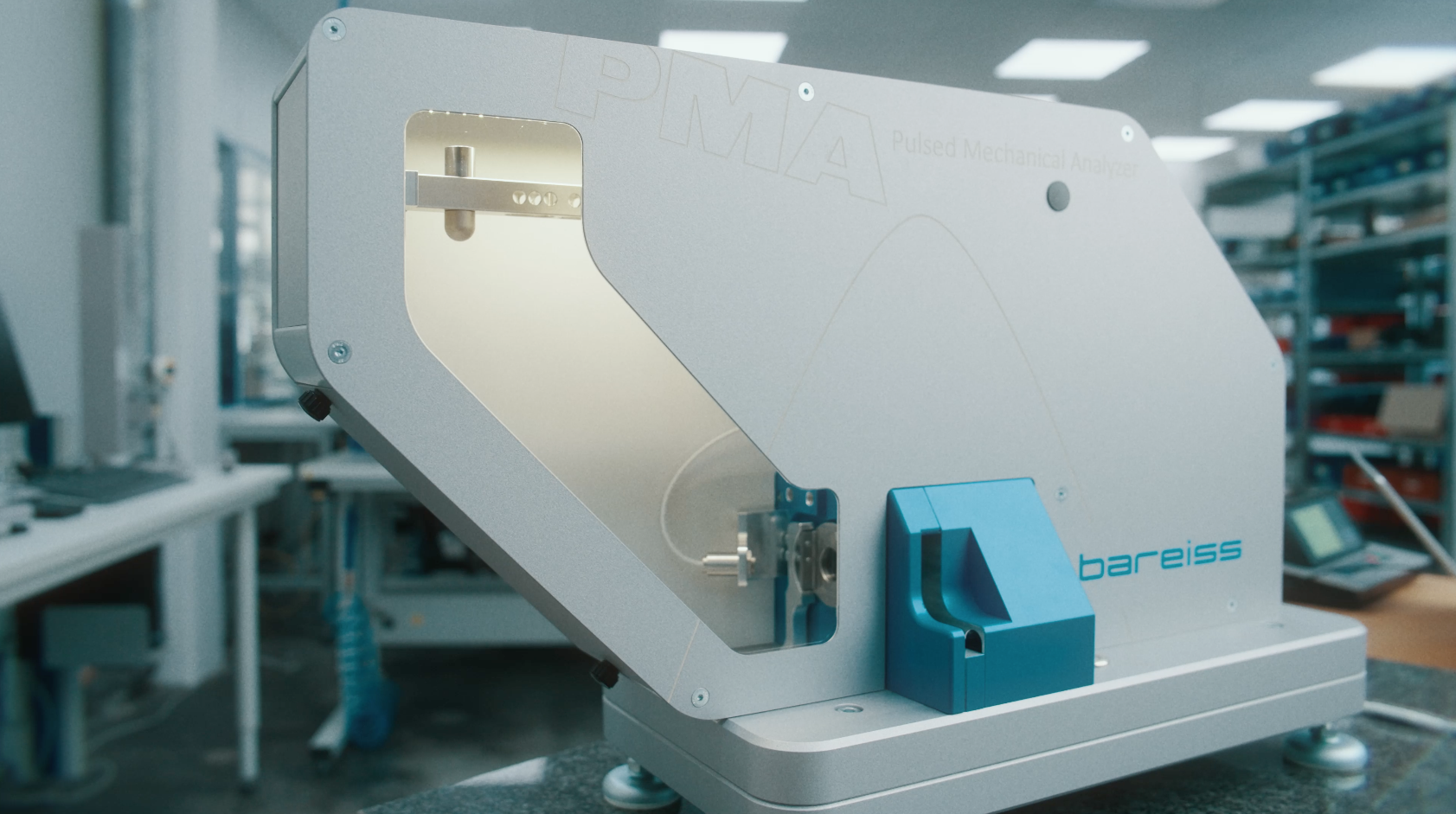
The new and globally unique measurement technology expands the capabilities of the traditional rebound resilience tester with powerful analytical functions. In addition, the instrument has been specifically engineered to meet the demanding requirements of the measurement process. It enables rapid, application-oriented product characterization and reveals material properties that have previously been difficult to quantify.
By determining the storage modulus and loss factor, the system evolves into a fully featured Pulsed Mechanical Analyzer (PMA), enabling reliable characterization of materials under real-world operating conditions.


.mp4)
Automated Testing. Save Time. Eliminate Errors.
At the push of a button, a fully automated measurement sequence begins: the specimen aligns itself automatically, operator influence is eliminated, and potential sources of error are minimized. The storage modulus and loss factor are determined precisely and reproducibly without any manual intervention.
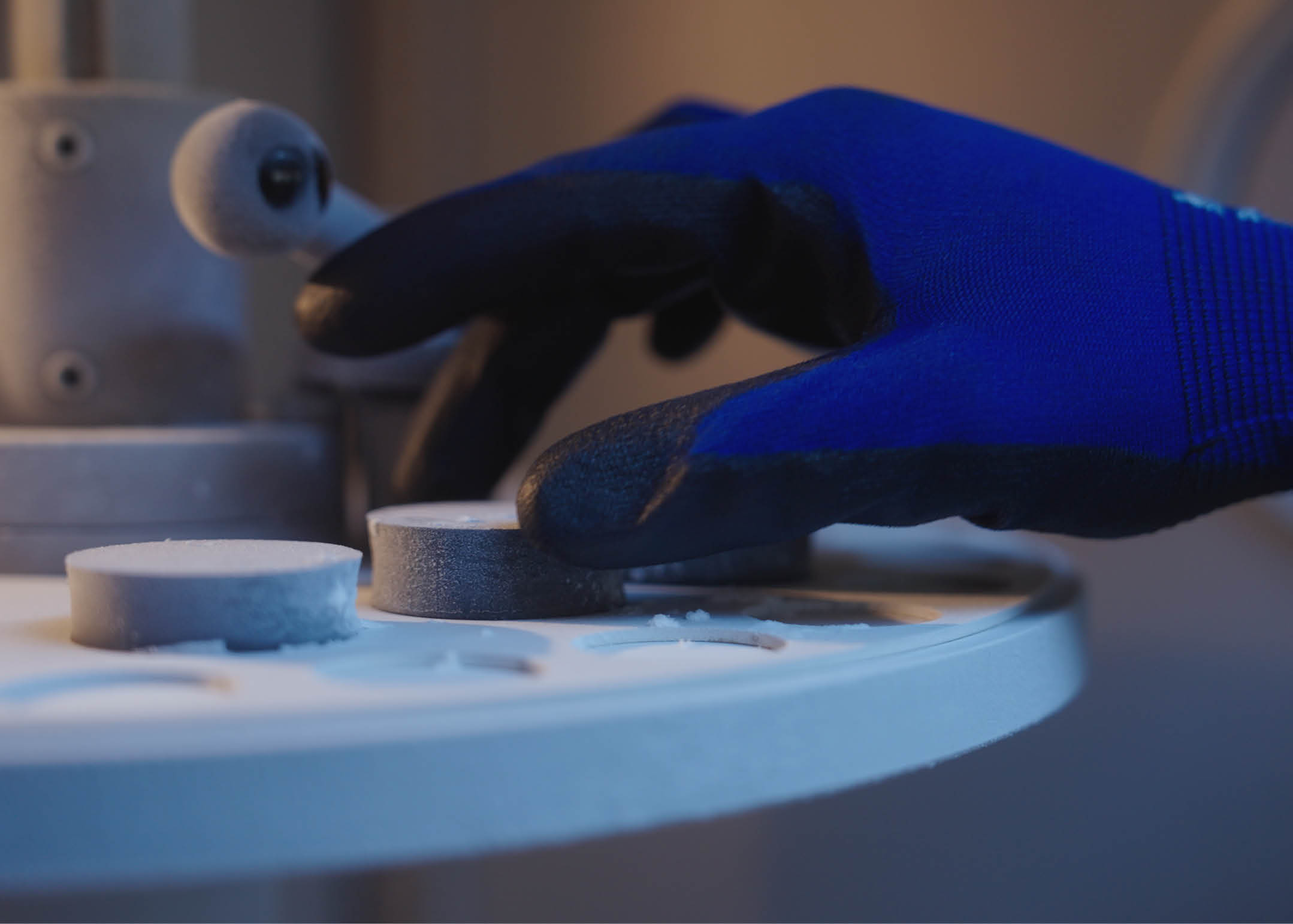
With maximum deformations of 20–80% occurring within milliseconds, measurements capturing temperature changes of up to 60 K within the material can be completed in as little as 20 minutes.
Temperature-dependent measurements can be performed easily down to –50 °C using pre-cooled specimens stored in a standard laboratory freezer—without the need for complex temperature-conditioning systems.
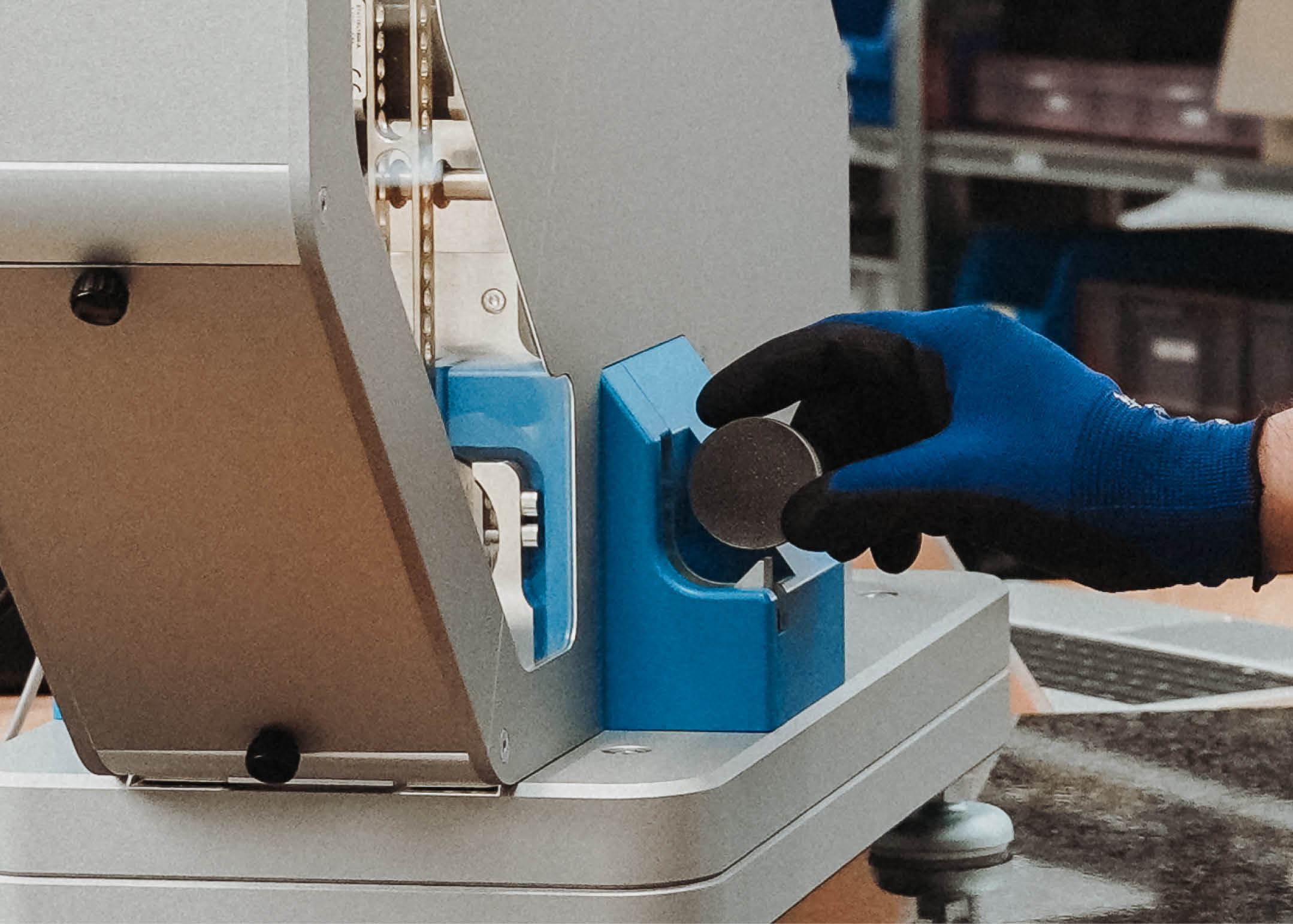
Temperature-Dependent Results – Precisely Documented.
The integrated temperature sensor automatically records the temperature at every measurement point. Temperature data is captured continuously between individual measurements, while the measurement interval can be defined flexibly to suit the application.
Whether at elevated or sub-zero temperatures, all relevant material properties are determined reliably, accurately, and reproducibly.
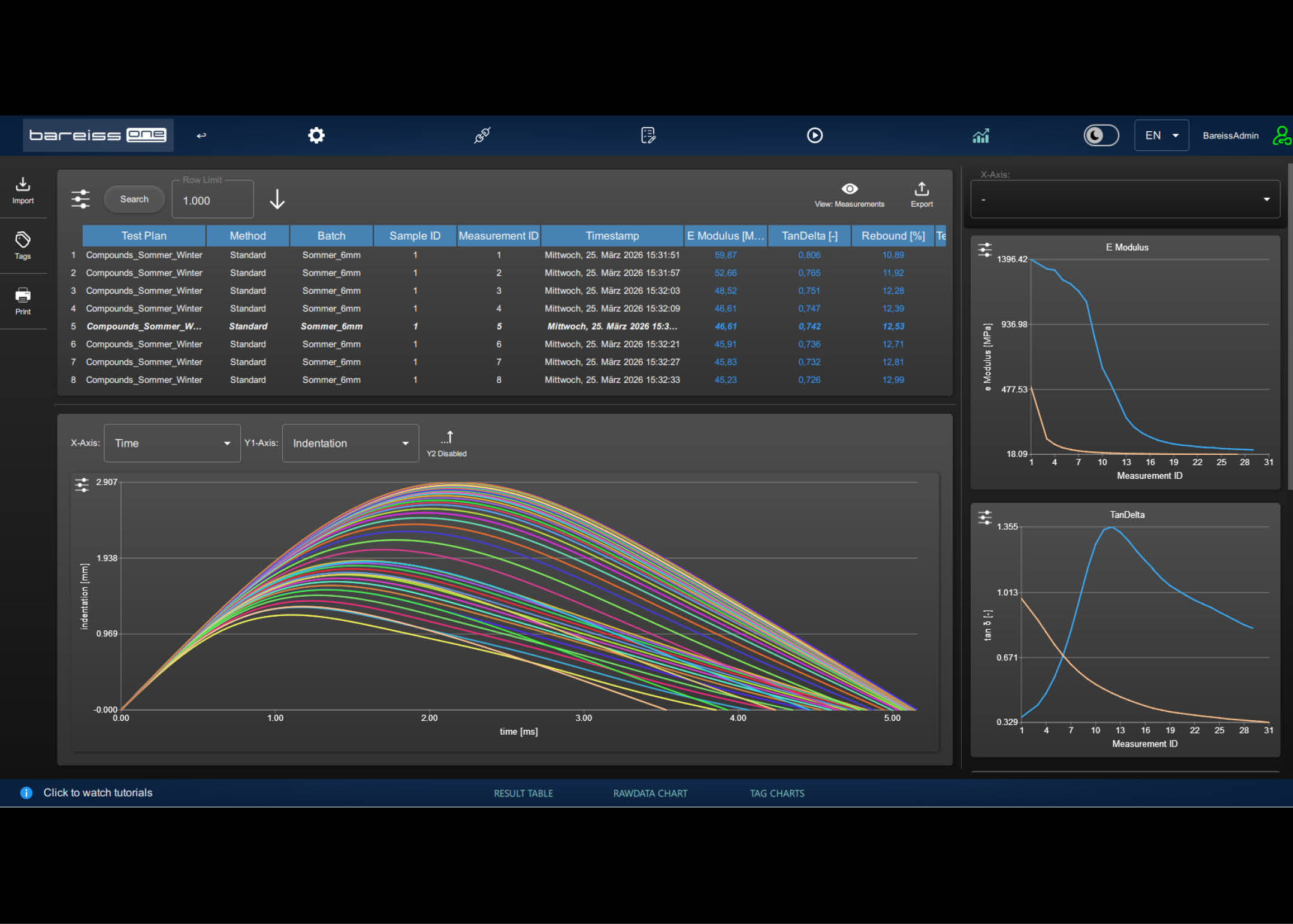
BareissOne – The Intelligent Software for Your Testing Processes.
Create structured test plans, perform guided measurements, and analyze results within a centralized platform. Available as either a standalone workstation or a client-server solution, BareissOne features a central database and comprehensive user management.
In addition to Bareiss testing instruments, selected third-party devices can also be integrated, depending on interface compatibility. The result is maximum transparency, comparability, and process reliability throughout your testing and quality assurance processes.
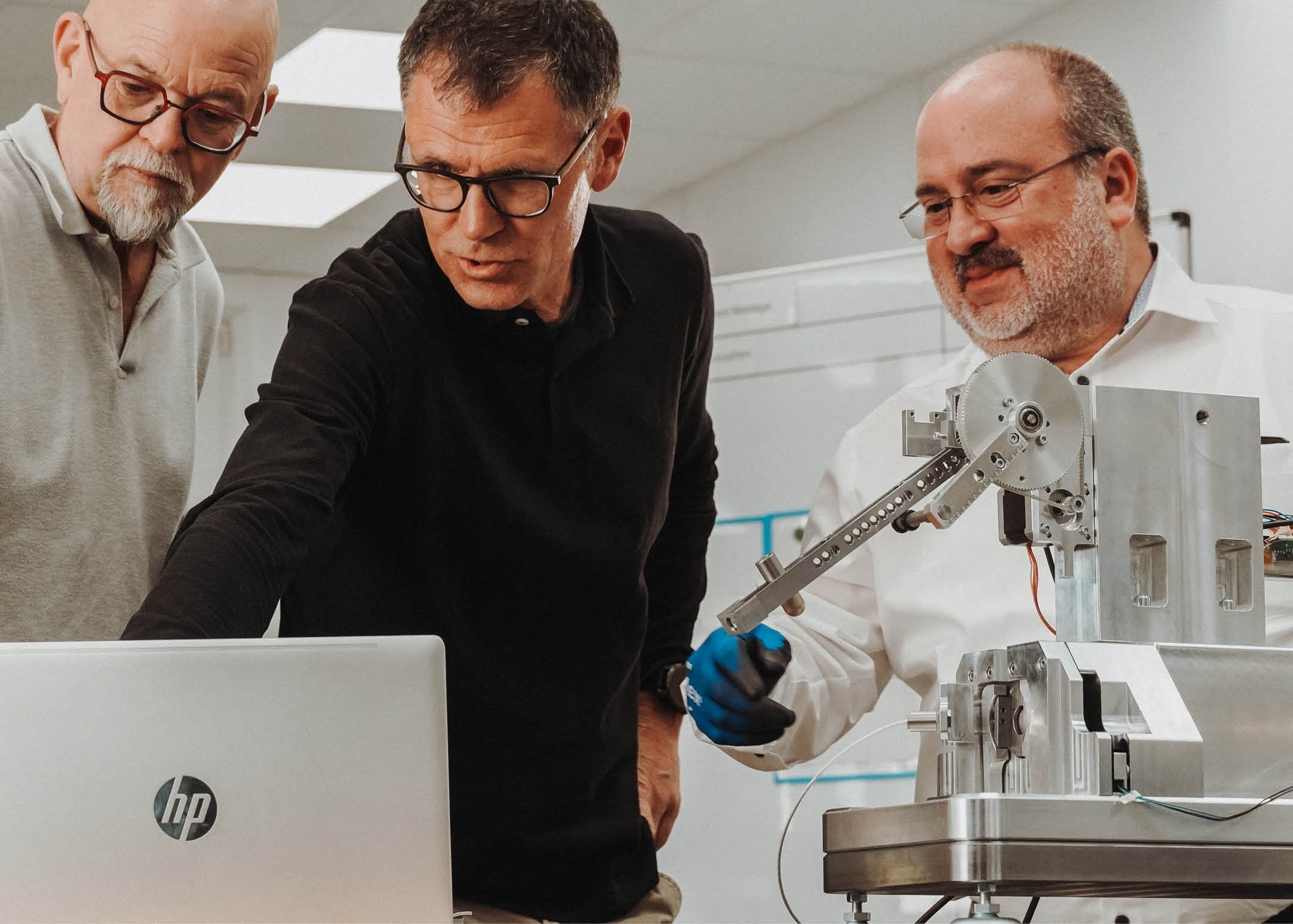
From Concept to Reality – Made in Germany.
From identifying the application requirements to the detailed engineering design, Bareiss developed the Pulsed Mechanical Analyzer (PMA) in close collaboration with leading experts.
Manufactured with German craftsmanship and precision, every PMA is meticulously engineered to minimize mechanical friction throughout the system. The result is exceptional measurement accuracy, maximum reproducibility, and consistently reliable test results over the long term.
Measurement of the complex Young’s modulus E*, or the magnitude of the modulus |E| and the loss factor tan d, as well as the complex compliance D* as a function of time and temperature.
The rebound resilience describes the material’s ability to recover elastically after a short-term pulsating deformation. This characteristic value is suitable for assessing energy loss and damping behavior and is particularly relevant for applications involving impact loading, vibration, or repeated mechanical stress.


Flat and even surfaces.
Sample thickness between 6 mm and 12 mm.
Ø35 mm – Ø45 mm

0.01 %

Dimensions (L × W × H): 66 × 23 × 42 cm
Weight: approx. 53 kg
* Depending on the Young’s modulus of the specimen.

2 × USB

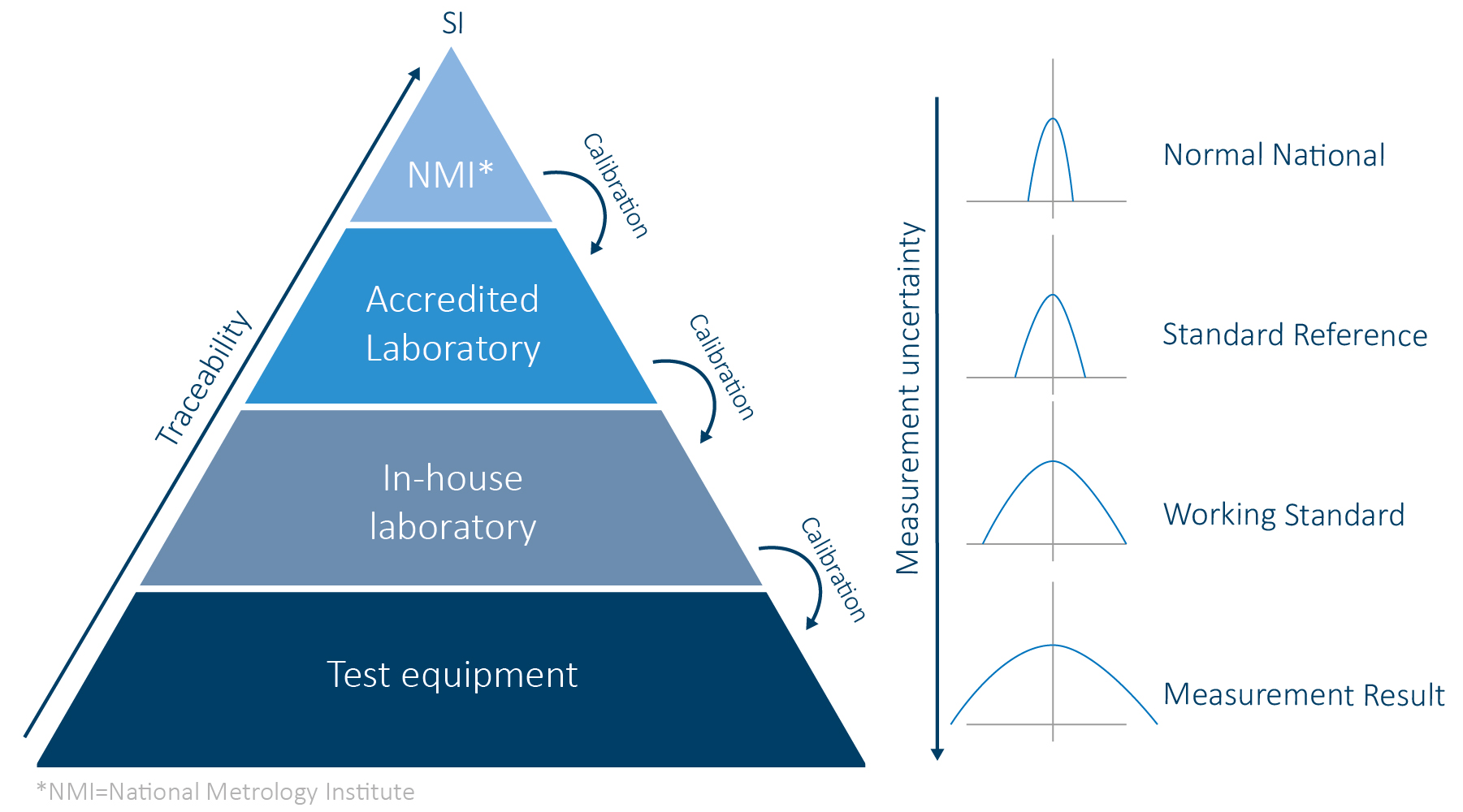
Traceability refers to the ability to monitor the origin, progress and history of our products, calibrations, processes, or measurements. This means that all steps and parameters that contribute to the creation of our products must be documented and traceable.
Traceability ensures the transparency, integrity and reliability of data and enables the checking of quality standards. It plays a crucial role in error detection, quality control and ensuring compliance with legal requirements and our quality standards.

DAkkS-accredited laboratory since 1996 – Calibrations meeting the highest requirements and global standards.
Calibration reminders – We automatically remind you of your next calibration.
Service packages – Accredited calibration including maintenance and repair at a fixed price. Everything from a single source.
Trust Bareiss for reliable calibrations and accurate measurement results.
Benefit from our experience as a manufacturer and accredited calibration laboratory.


Bareiss recommendation: Laboratory conditions according to DIN ISO 23529

We are happy to answer any questions you might have about hardness testing!
Phone +49 7305 9642-0
Fax +49 7305 9642-22
Email
Opening hours:
Monday - Thursday: 07:00 - 16:00
Friday: 07:00 - 12:00
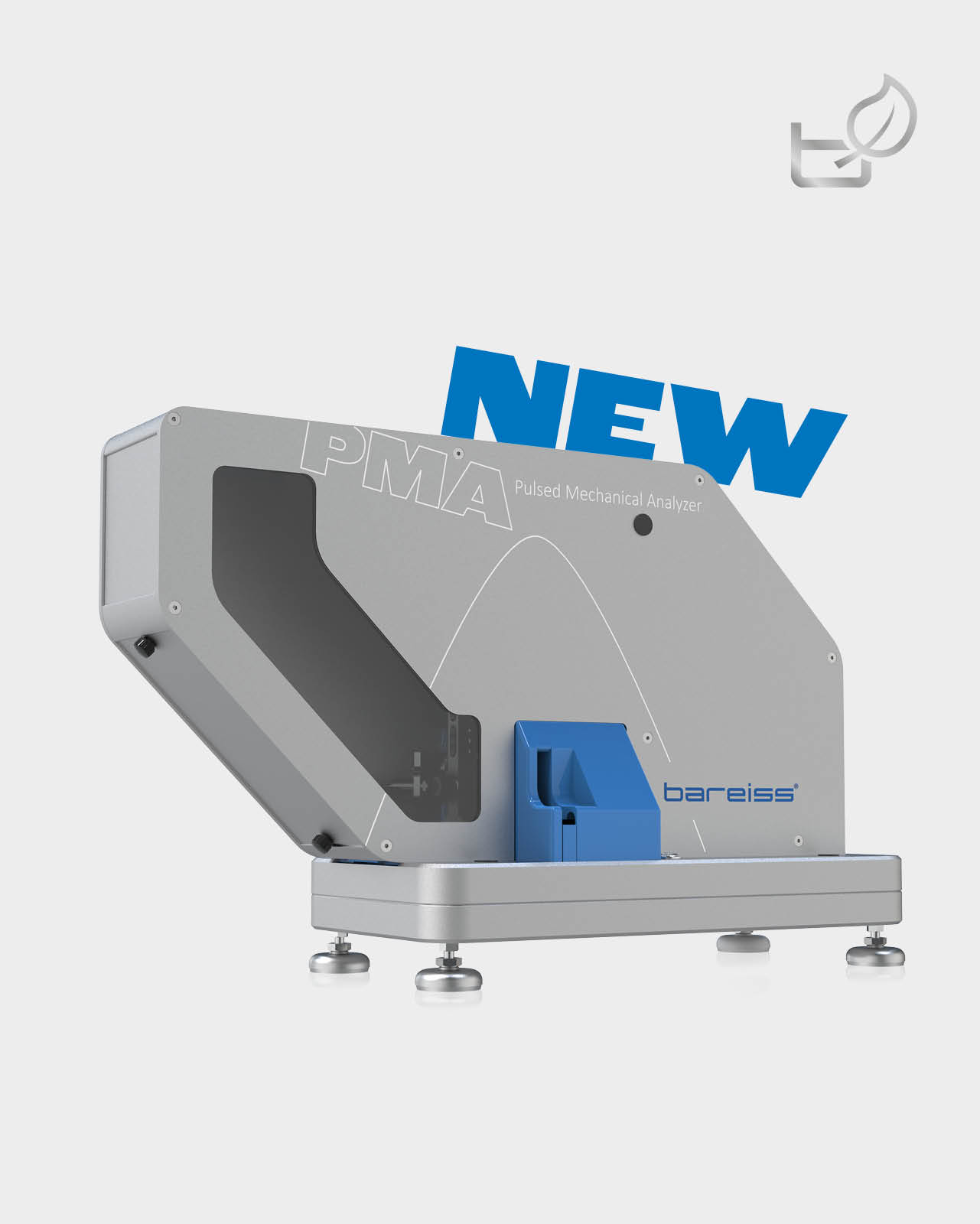
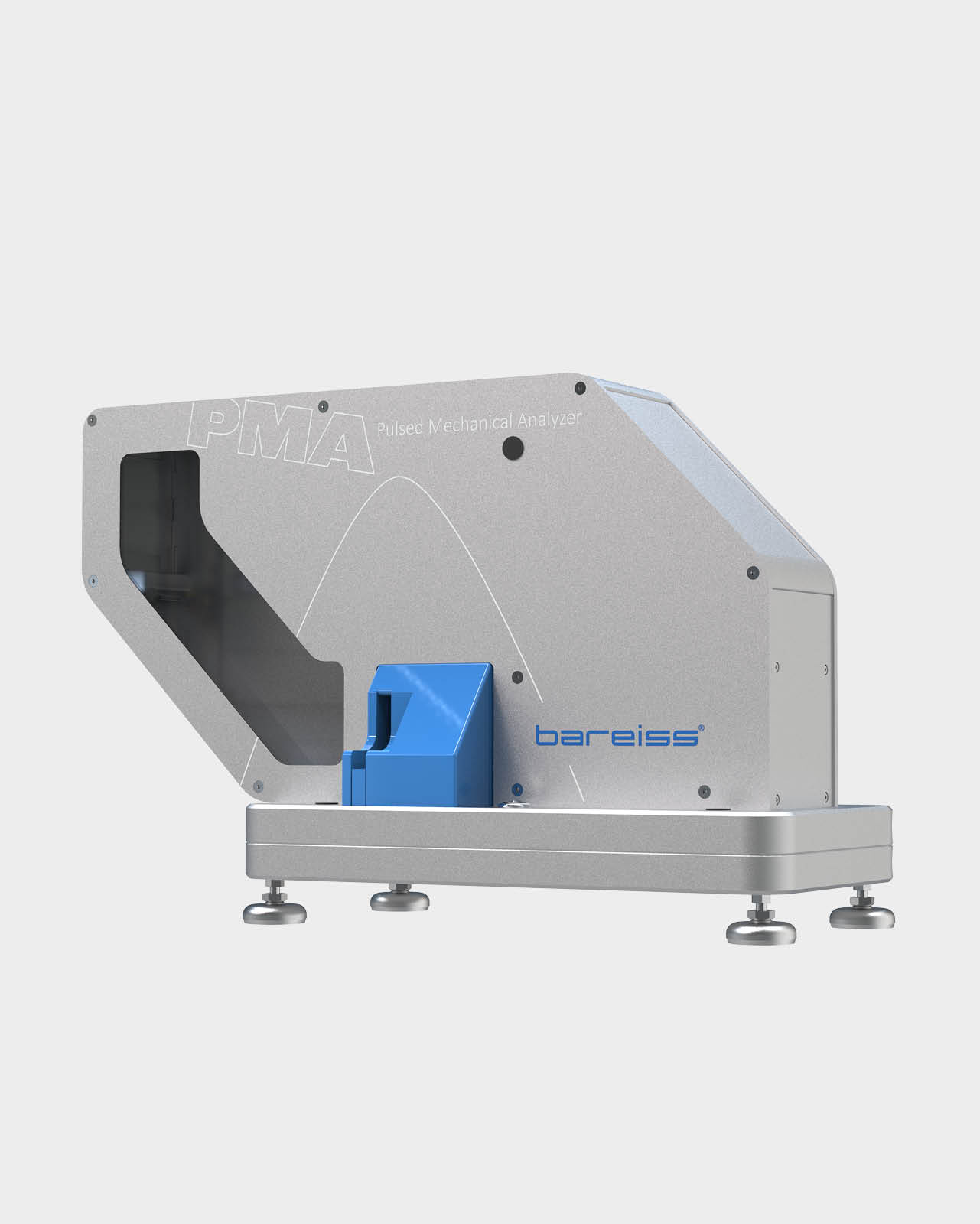
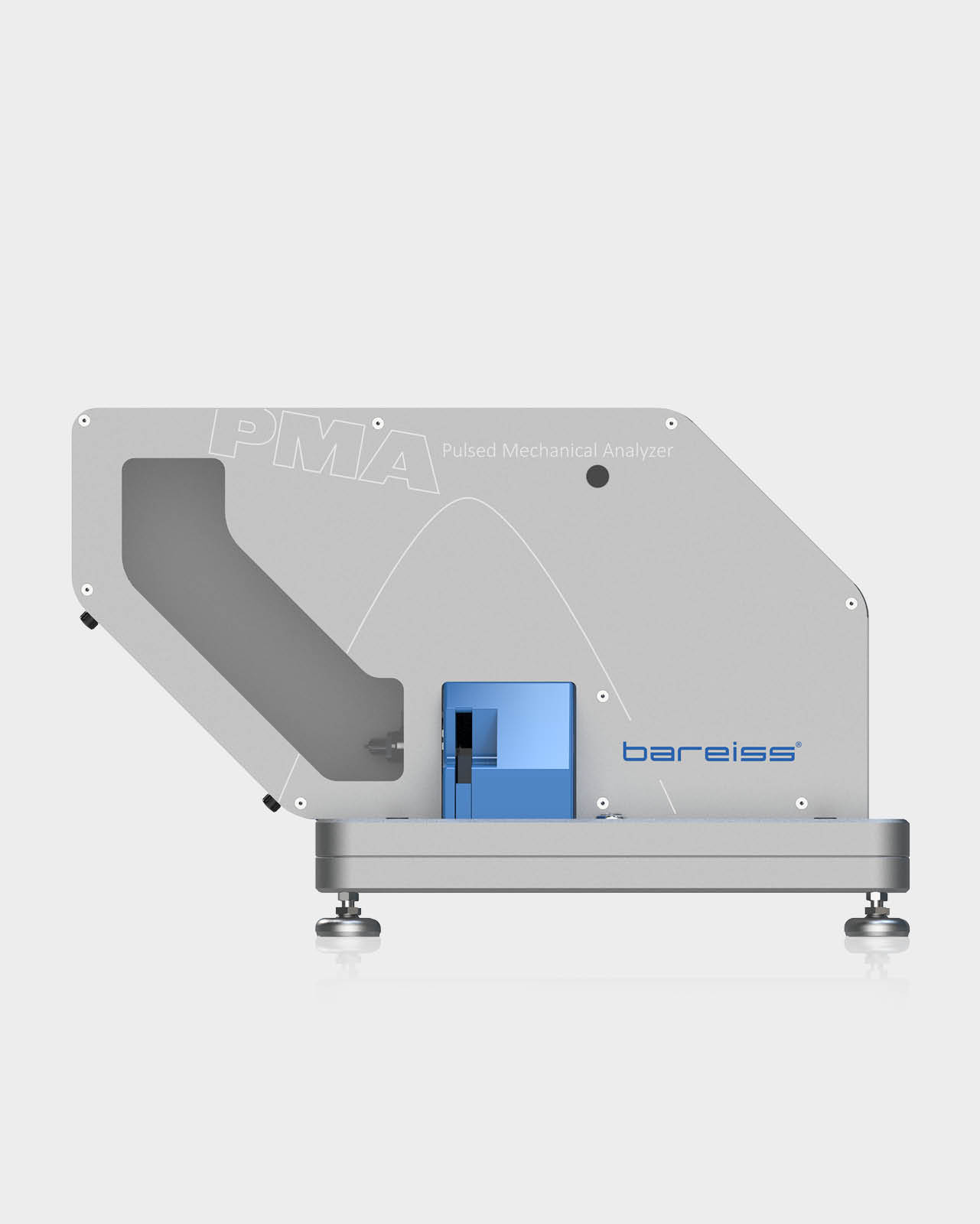
The Pulsed Mechanical Analyzer (PMA) characterizes the dynamic material behavior under realistic, pulsed loads. It determines the Youngs’s modulus and loss factor tan δ in the millisecond range at 100 Hz to 1 kHz – optionally also temperature-dependent.
This provides practical material data, including the glass transition temperature under dynamic excitation. Fast, reproducible measurement makes the PMA ideal for development and quality control.


Flat and even surfaces.
Sample thickness between 6 mm and 12 mm.
Ø35 mm – Ø45 mm
0.01 %
Dimensions (L × W × H): 66 × 23 × 42 cm
Weight: approx. 53 kg
* Depending on the Young’s modulus of the specimen.
2 × USB
Traceability refers to the ability to monitor the origin, progress and history of our products, calibrations, processes, or measurements. This means that all steps and parameters that contribute to the creation of our products must be documented and traceable.
Traceability ensures the transparency, integrity and reliability of data and enables the checking of quality standards. It plays a crucial role in error detection, quality control and ensuring compliance with legal requirements and our quality standards.
DAkkS-accredited laboratory since 1996 – Calibrations meeting the highest requirements and global standards.
Calibration reminders – We automatically remind you of your next calibration.
Service packages – Accredited calibration including maintenance and repair at a fixed price. Everything from a single source.
Trust Bareiss for reliable calibrations and accurate measurement results.
Benefit from our experience as a manufacturer and accredited calibration laboratory.
Bareiss recommendation: Laboratory conditions according to DIN ISO 23529
We are happy to answer any questions you might have about hardness testing!
Phone +49 7305 9642-0
Fax +49 7305 9642-22
Email sales@bareiss.de
Opening hours:
Monday - Thursday: 07:00 - 16:00
Friday: 07:00 - 12:00

The Pulsed Mechanical Analyzer (PMA) enables precise characterization of dynamic material behavior under realistic, pulsed loading conditions. This method can be used to determine the complex modulus of elasticity and the loss factor tan δ in the millisecond range at higher deformations – i.e., at frequencies from 100 Hz to 1 kHz. On request, the analysis can also be performed as a function of temperature.
The determination of the glass temperature under pulsed stress is particularly valuable in practice. This provides a realistic picture of the low-temperature behavior of rubber components, as actually occurs in many dynamic applications.
The result is reliable, practical material data for the design of dynamically stressed elastomer components.
Furthermore, measurement with the PMA is so simple, fast, and reproducible that it is ideal for use in quality control. This enables a reliable and efficient evaluation of material behavior in the production environment.
The future has a pulse. A New Era of Material Characterization.
The new and globally unique measurement technology expands the capabilities of the traditional rebound resilience tester with powerful analytical functions. In addition, the instrument has been specifically engineered to meet the demanding requirements of the measurement process. It enables rapid, application-oriented product characterization and reveals material properties that have previously been difficult to quantify.
By determining the storage modulus and loss factor, the system evolves into a fully featured Pulsed Mechanical Analyzer (PMA), enabling reliable characterization of materials under real-world operating conditions.
Automated Testing. Save Time. Eliminate Errors.
At the push of a button, a fully automated measurement sequence begins: the specimen aligns itself automatically, operator influence is eliminated, and potential sources of error are minimized. The storage modulus and loss factor are determined precisely and reproducibly without any manual intervention.
With maximum deformations of 20–80% occurring within milliseconds, measurements capturing temperature changes of up to 60 K within the material can be completed in as little as 20 minutes.
Temperature-dependent measurements can be performed easily down to –50 °C using pre-cooled specimens stored in a standard laboratory freezer—without the need for complex temperature-conditioning systems.
Temperature-Dependent Results – Precisely Documented.
The integrated temperature sensor automatically records the temperature at every measurement point. Temperature data is captured continuously between individual measurements, while the measurement interval can be defined flexibly to suit the application.
Whether at elevated or sub-zero temperatures, all relevant material properties are determined reliably, accurately, and reproducibly.
BareissOne – The Intelligent Software for Your Testing Processes.
Create structured test plans, perform guided measurements, and analyze results within a centralized platform. Available as either a standalone workstation or a client-server solution, BareissOne features a central database and comprehensive user management.
In addition to Bareiss testing instruments, selected third-party devices can also be integrated, depending on interface compatibility. The result is maximum transparency, comparability, and process reliability throughout your testing and quality assurance processes.
From Concept to Reality – Made in Germany.
From identifying the application requirements to the detailed engineering design, Bareiss developed the Pulsed Mechanical Analyzer (PMA) in close collaboration with leading experts.
Manufactured with German craftsmanship and precision, every PMA is meticulously engineered to minimize mechanical friction throughout the system. The result is exceptional measurement accuracy, maximum reproducibility, and consistently reliable test results over the long term.


We have experience.
We have been active in the field of measurement technology since 1954 - now in the third generation.

We stay true to ourselves.
All of our products are developed and manufactured in Germany.

We are accredited.
Our DAkkS accredited calibration laboratory is certified according to DIN EN/IEC 17025.

We are committed.
We are a member of the DIN committee and set standards there in the area of hardness.

We have inventive talent.
We have developed and registered over 25 patents in the last few decades.

We distribute worldwide.
We and our partners are there for you anywhere in the world.