- Product Overview
- Industry sectors
- Accredited service
- Support & Downloads
- Company
Select your language
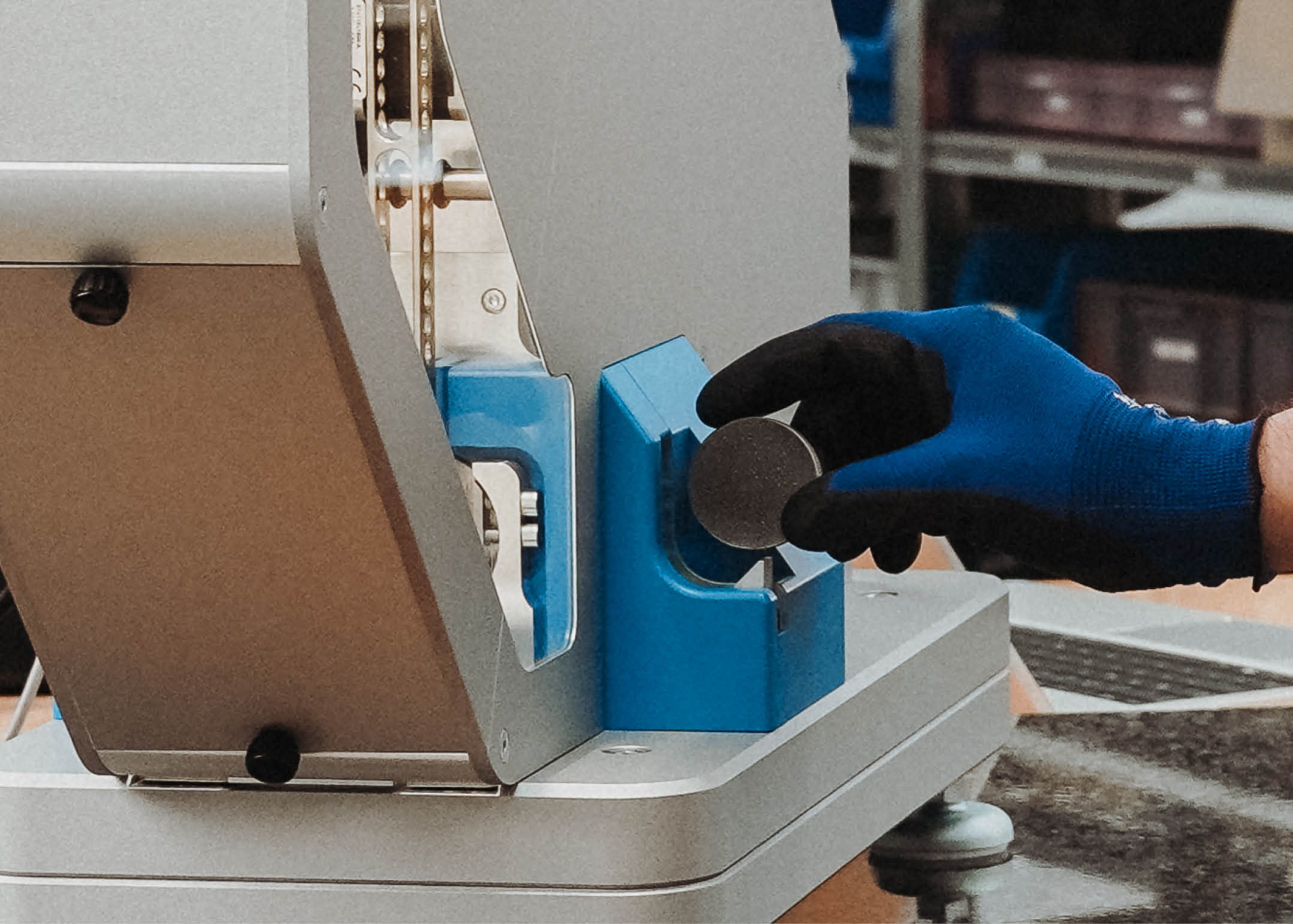
The automatic specimen feed minimizes operator influence to an absolute minimum. The RRT 12 automatically detects the specimen thickness and clamps the specimen with a clamping force of 200 N accordingly. This ensures reproducible measurement results, independent of the user performing the test.
Automatic Specimen Feeding
Designed for effortless day-to-day operation: automatic specimen feeding and clamping minimize operator influence to an absolute minimum. Measurements can be started directly via the electronic control unit or, optionally, through the BareissOne software.


.mp4)
Various Measurement Modes
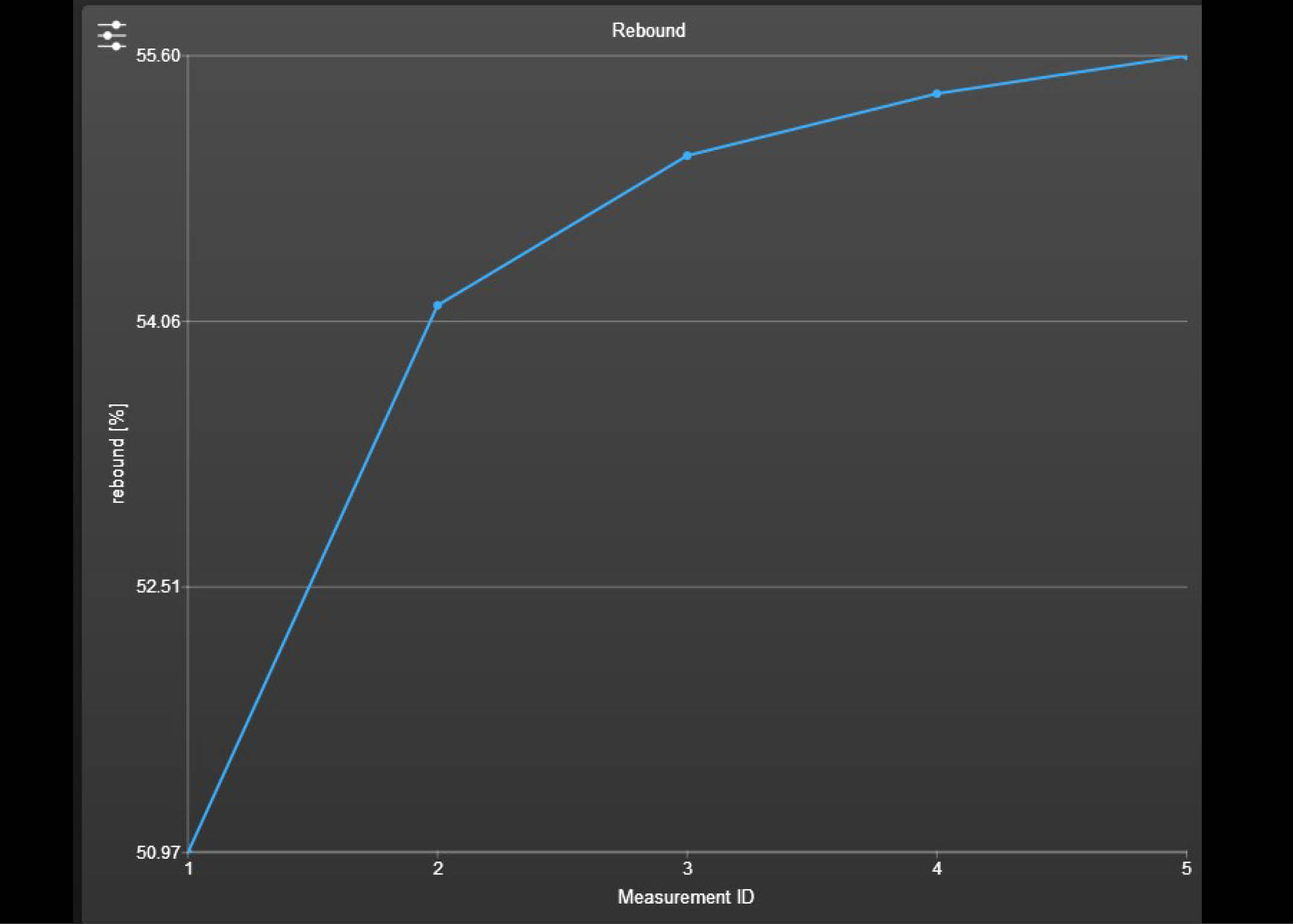
In addition to standard-compliant testing, the system also supports user-defined measurement procedures. A key advantage is that the results obtained during preconditioning are displayed and can be included in the evaluation, providing deeper insight into the material’s behavior and enabling more comprehensive analysis.
Upgradeable to a Pulsed Mechanical Analyzer
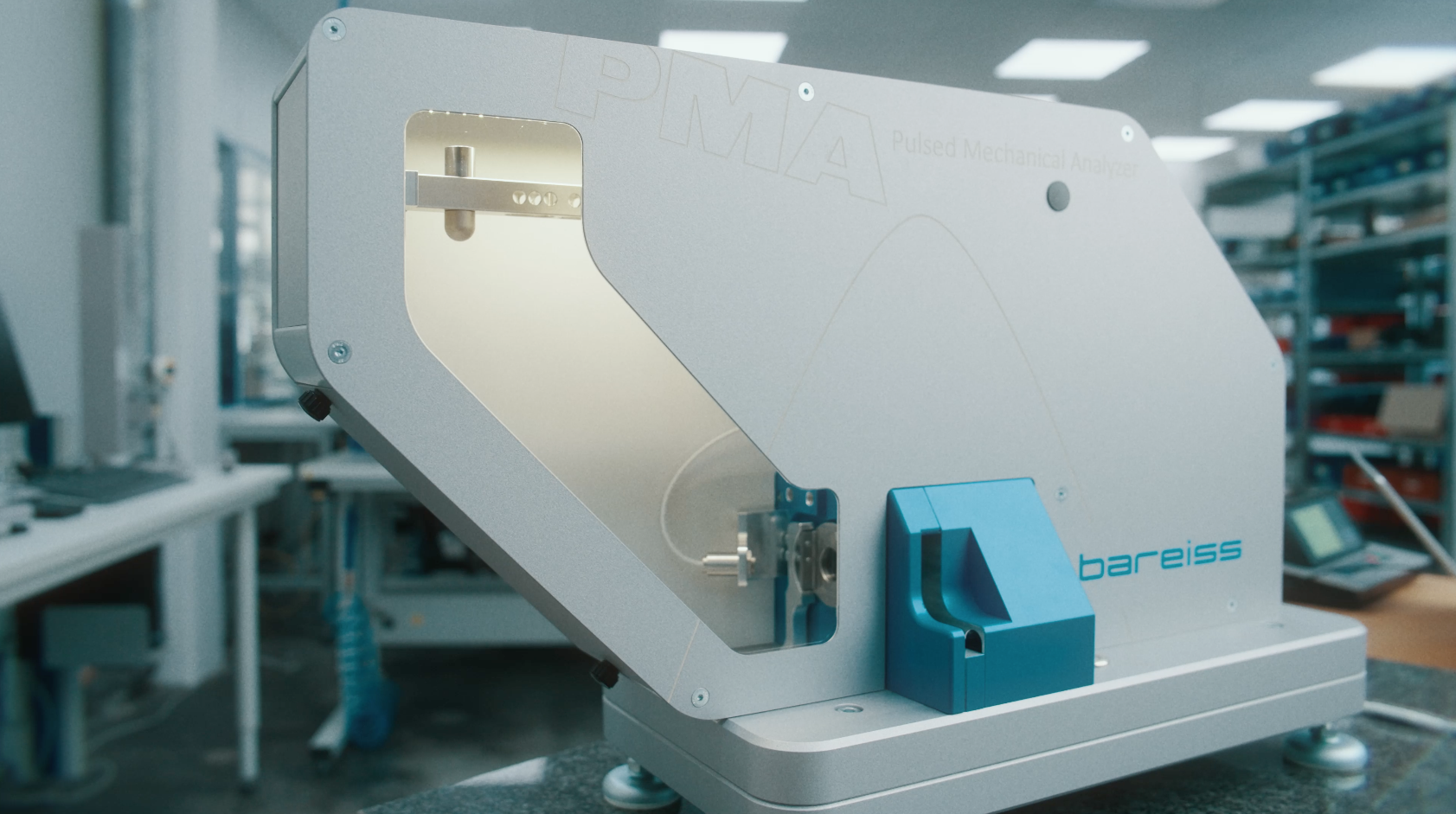
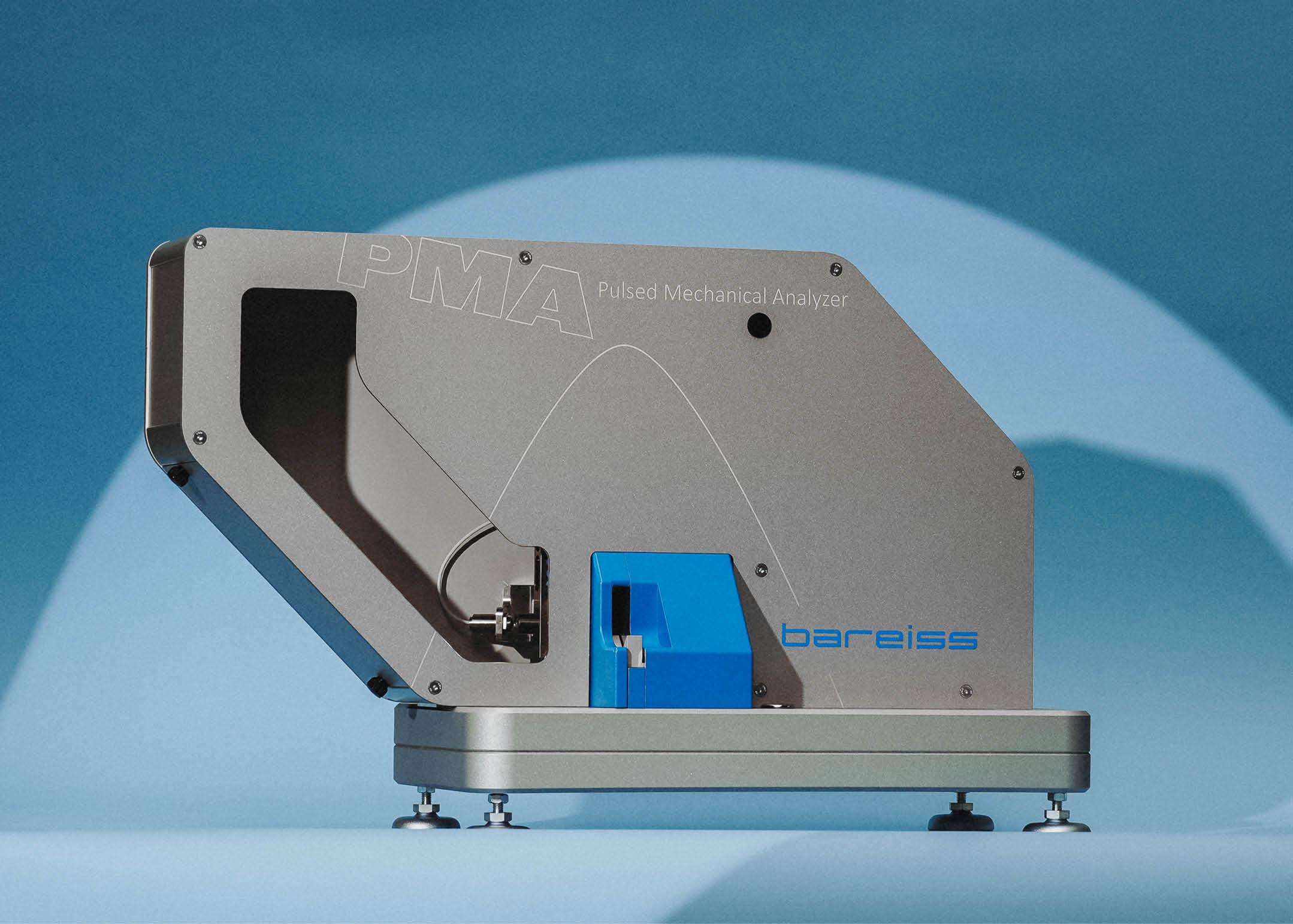
The new and globally unique measurement technology enhances the traditional rebound resilience tester with powerful analytical capabilities. By adding the comprehensive software package, the standard rebound resilience tester can be upgraded to a fully functional Pulsed Mechanical Analyzer (PMA).
This upgrade enables the determination of advanced material properties, providing deeper insight into material behavior and significantly expanding the scope of application beyond conventional rebound resilience testing.
Schob Pendulum Principle
Method for determining the elastic behavior of elastomers.



0.1 % Rebound Elasticity

Dimensions and Weight
Dimensions (L × W × H): 66 × 23 × 42 cm
Weight: approx. 53 kg
Pendulum
Length: 200 mm
Drop angle: 90°
Impact velocity: 2 m/s

2x USB

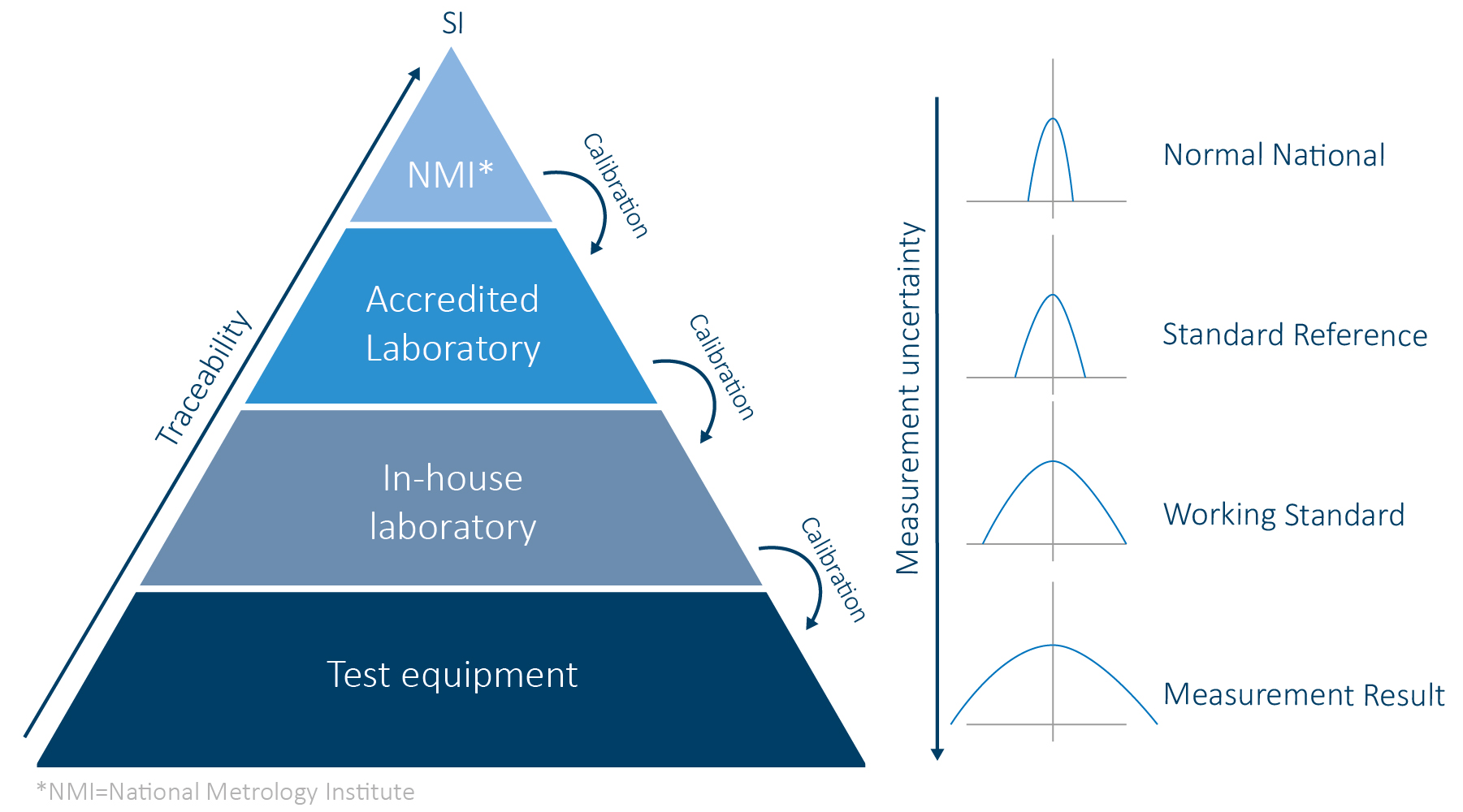
Traceability refers to the ability to monitor the origin, progress and history of our products, calibrations, processes, or measurements. This means that all steps and parameters that contribute to the creation of our products must be documented and traceable.
Traceability ensures the transparency, integrity and reliability of data and enables the checking of quality standards. It plays a crucial role in error detection, quality control and ensuring compliance with legal requirements and our quality standards.

DAkkS-accredited laboratory since 1996 – Calibrations meeting the highest requirements and global standards.
Calibration reminders – We automatically remind you of your next calibration.
Service packages – Accredited calibration including maintenance and repair at a fixed price. Everything from a single source.
Trust Bareiss for reliable calibrations and accurate measurement results.
Benefit from our experience as a manufacturer and accredited calibration laboratory.


Bareiss recommendation: Laboratory conditions according to DIN ISO 23529

We are happy to answer any questions you might have about hardness testing!
Phone +49 7305 9642-0
Fax +49 7305 9642-22
Email
Opening hours:
Monday - Thursday: 07:00 - 16:00
Friday: 07:00 - 12:00
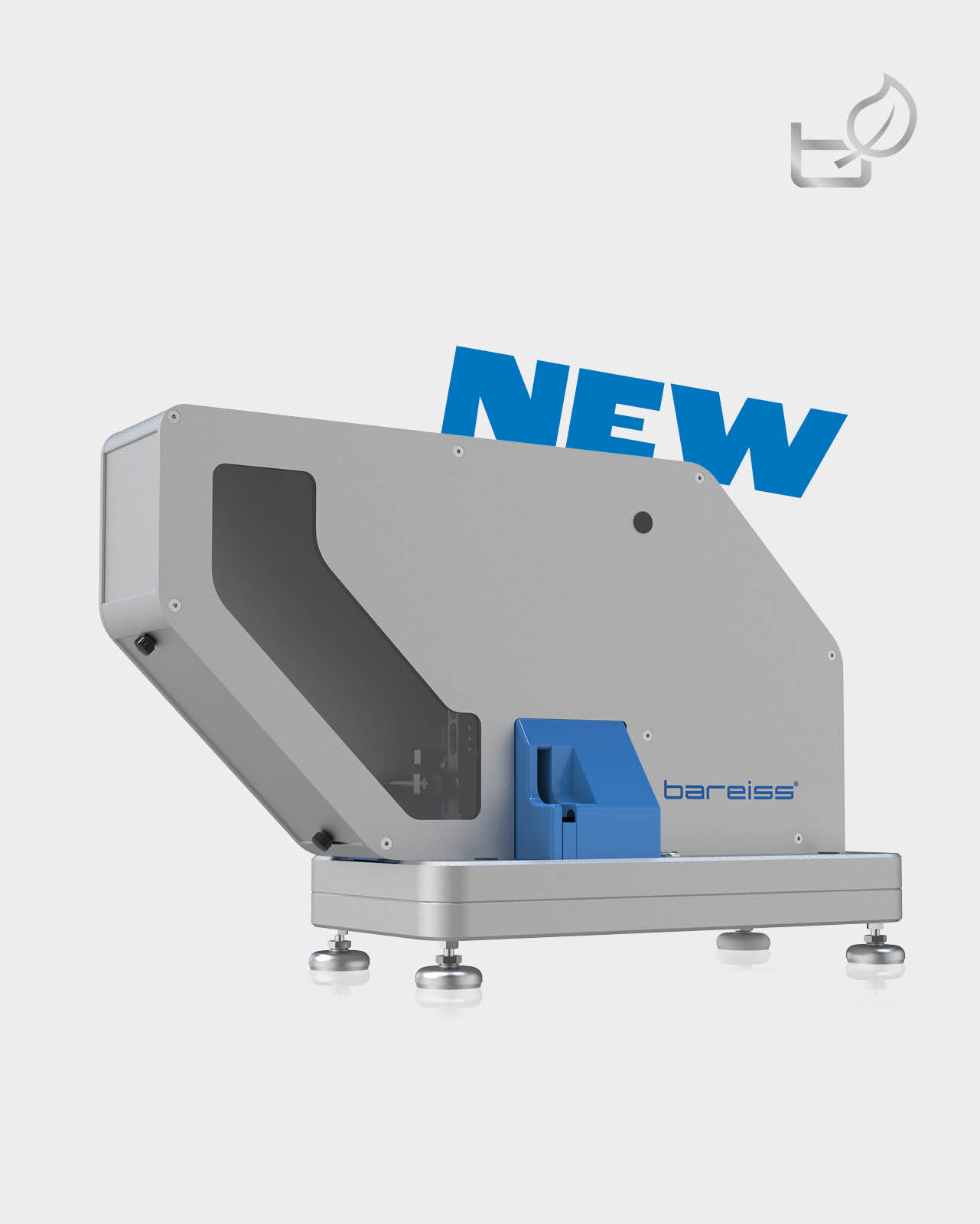
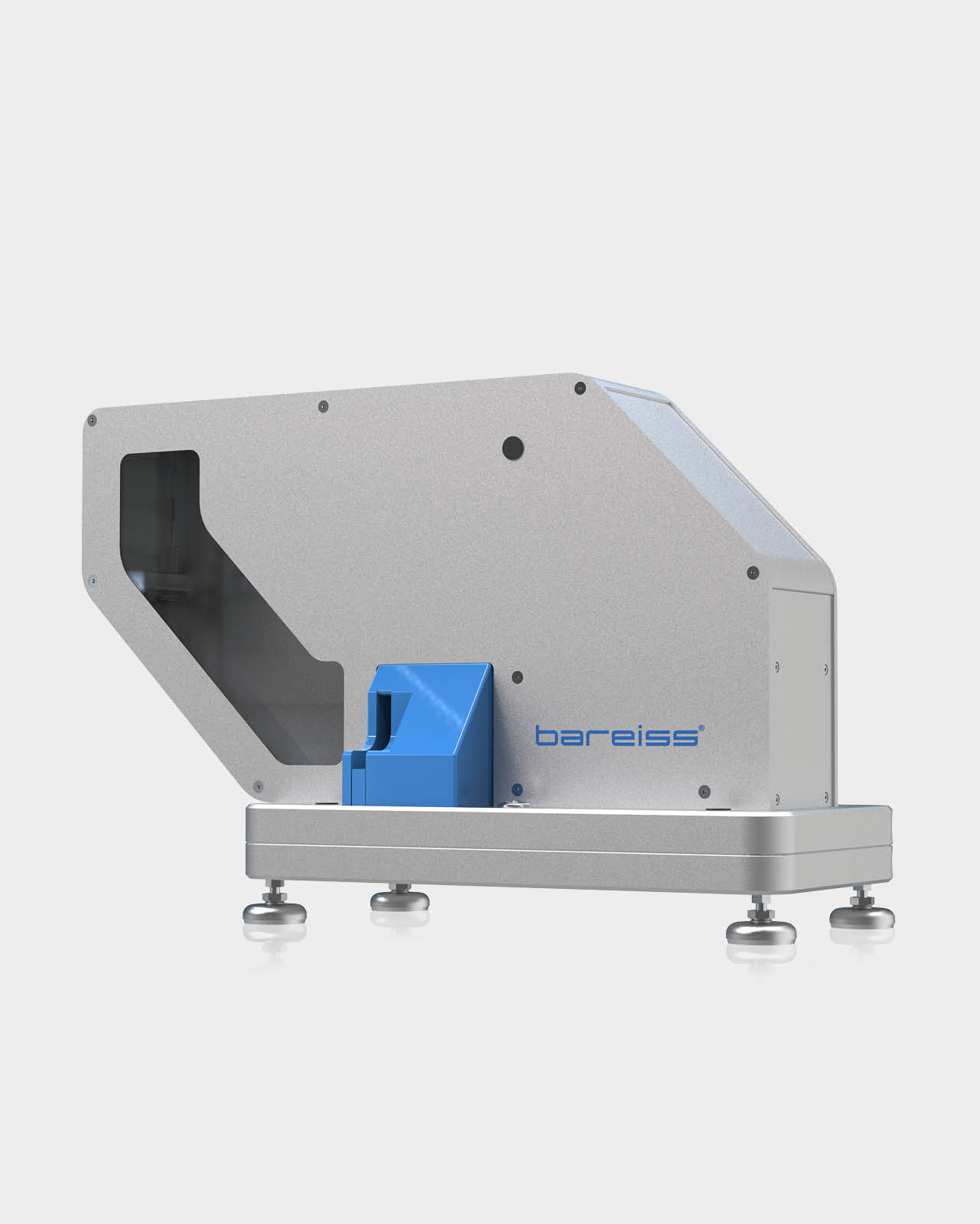
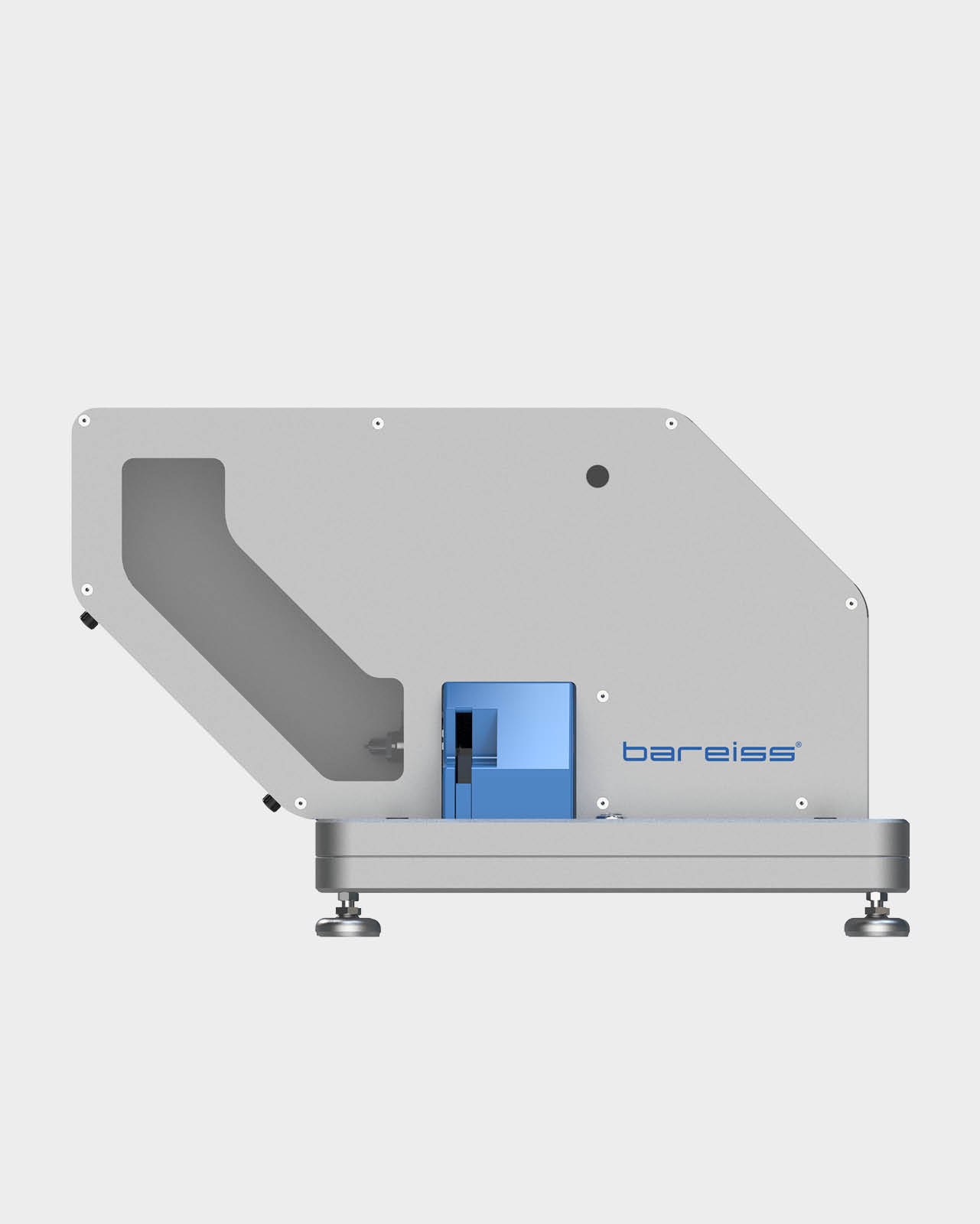
The rebound resilience tester automatically determines the elasticity of elastomers and similar materials. After pressing the start button, the specimen is inserted and clamped automatically. The measurement process then begins and runs fully automatically, ensuring reliable, operator-independent results with minimal effort.


0.1 % Rebound Elasticity
Dimensions and Weight
Dimensions (L × W × H): 66 × 23 × 42 cm
Weight: approx. 53 kg
Pendulum
Length: 200 mm
Drop angle: 90°
Impact velocity: 2 m/s
2x USB
Traceability refers to the ability to monitor the origin, progress and history of our products, calibrations, processes, or measurements. This means that all steps and parameters that contribute to the creation of our products must be documented and traceable.
Traceability ensures the transparency, integrity and reliability of data and enables the checking of quality standards. It plays a crucial role in error detection, quality control and ensuring compliance with legal requirements and our quality standards.
DAkkS-accredited laboratory since 1996 – Calibrations meeting the highest requirements and global standards.
Calibration reminders – We automatically remind you of your next calibration.
Service packages – Accredited calibration including maintenance and repair at a fixed price. Everything from a single source.
Trust Bareiss for reliable calibrations and accurate measurement results.
Benefit from our experience as a manufacturer and accredited calibration laboratory.
Bareiss recommendation: Laboratory conditions according to DIN ISO 23529
We are happy to answer any questions you might have about hardness testing!
Phone +49 7305 9642-0
Fax +49 7305 9642-22
Email sales@bareiss.de
Opening hours:
Monday - Thursday: 07:00 - 16:00
Friday: 07:00 - 12:00

The automatic specimen feed minimizes operator influence to an absolute minimum. The RRT 12 automatically detects the specimen thickness and clamps the specimen with a clamping force of 200 N accordingly. This ensures reproducible measurement results, independent of the user performing the test.
Automatic Specimen Feeding
Designed for effortless day-to-day operation: automatic specimen feeding and clamping minimize operator influence to an absolute minimum. Measurements can be started directly via the electronic control unit or, optionally, through the BareissOne software.
Various Measurement Modes
In addition to standard-compliant testing, the system also supports user-defined measurement procedures. A key advantage is that the results obtained during preconditioning are displayed and can be included in the evaluation, providing deeper insight into the material’s behavior and enabling more comprehensive analysis.
Upgradeable to a Pulsed Mechanical Analyzer
The new and globally unique measurement technology enhances the traditional rebound resilience tester with powerful analytical capabilities. By adding the comprehensive software package, the standard rebound resilience tester can be upgraded to a fully functional Pulsed Mechanical Analyzer (PMA).
This upgrade enables the determination of advanced material properties, providing deeper insight into material behavior and significantly expanding the scope of application beyond conventional rebound resilience testing.